

Metroid Dread review - borbapenig1955
Our Verdict
Frustrating boss battles and unwieldy controls distract from an otherwise sport and isolating adventure
Pros
- + Hearty structure
- + Exploration is fun
- + Uninflected game world
Cons
- - Flat optical design
- - Frustrative gaffer battles
- - Hand-cramping controls
GamesRadar+ Verdict
Frustrating boss battles and awkward controls distract from an otherwise fun and isolating adventure
Pros
- +
+ Firm construction
- +
+ Geographic expedition is fun
- +
+ Isolating game world
Cons
- -
- Flat ocular design
- -
- Frustrating boss battles
- -
- Hand out-cramping controls
Samus Aran is straying and afraid. Then once more, maybe I'm projecting here – 13 hours with Metroid Dread can have that outcome. Because after 35 years of search bounties across the wandflower, I can't imagine that Samus would be claustrophobic of anything that ZDR has to throw at her, not after surviving the horrors of major planet Zebes in Super Metroid and the BSL Station orbiting SR388 in Metroid Fusion. And Samus doesn't get lost, she knows that every step taken will bring her ever closer to reaching her following unknowable, intended destination. We've taken all of these adventures in collaboration over the years, but here I am yet, disbursal such of this new adventure lost and afraid.
Lost in the complex corridors of ZDR, stressful to recognize the location of breakable blocks or traversable paths within Metroid Fearsome's muted, visually-uninteresting environments. And I'm definitely afraid, terrified of encountering other hanging area-transition silver screen – a signal that I'm or so to be confronted with yet another grim boss battle or unmanageable E.M.M.I. run across. Metroid Dread is built upon refined and established foundations, just there's something about the execution of instrument of this long-awaited sequel that left me feeling a trifle cold.
Fight to pull round
Fast Facts
Release Date: Oct 8, 2021
Platform(s): Nintendo Switch
Developer: MercurySteam, Nintendo EPD
Publisher: Nintendo
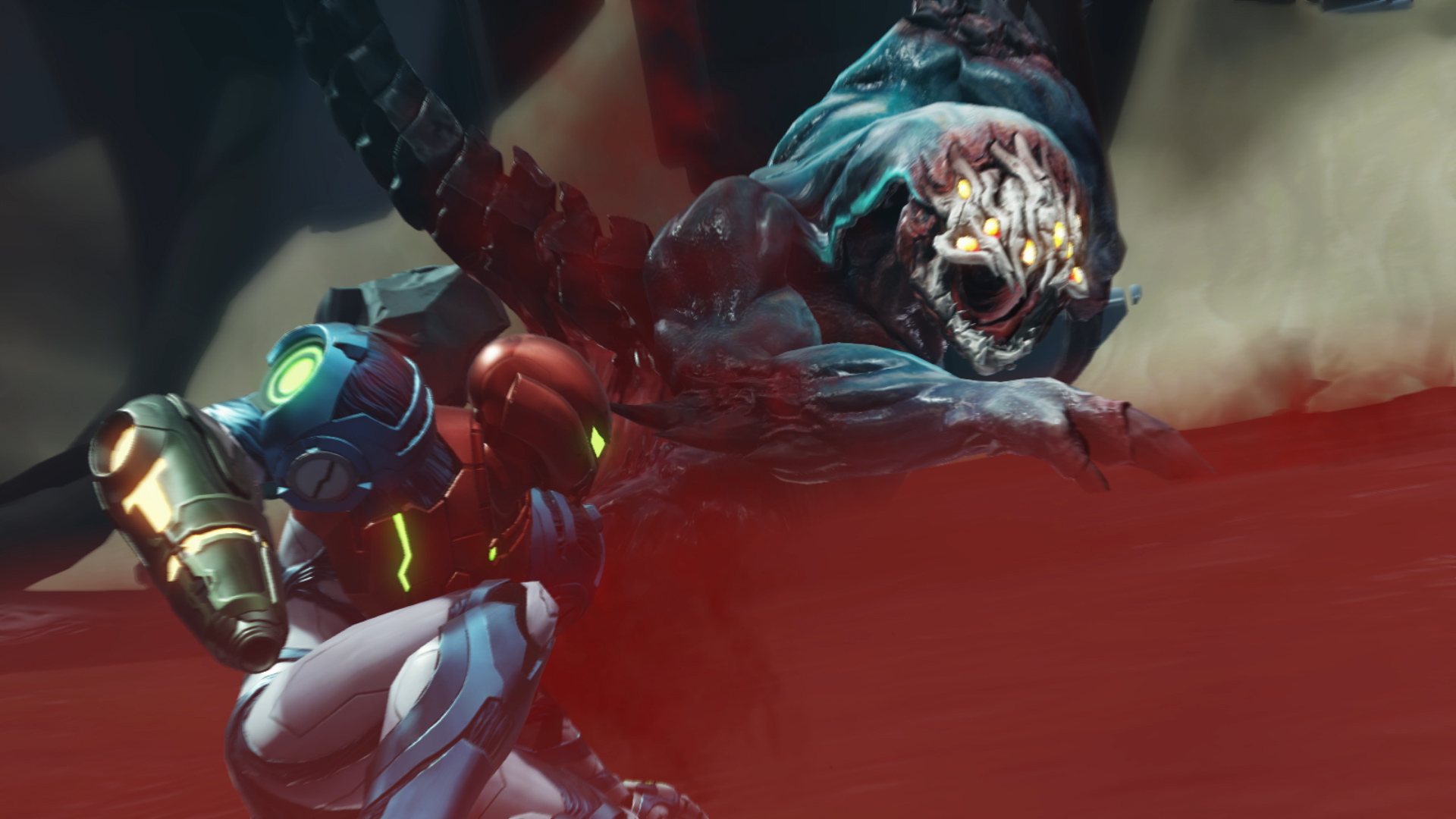
In that respect's a fine line between fun and frustration in boss battles. Co-developers MercurySteam and Nintendo EPD exhibit how difficult it can be to walk that line, with Metroid's first original 2D side-scrolling adventure in 19 years frequently stumbling over it. There's a confluence of issues at play here, each working to ensure that Metroid Dread's numerous foreman fights and E.Metronome markingI. encounters slowly pluck at your patience. Your investment in acquiring Samus back in her fully-powered courting and away of Major planet ZDR alive waning with apiece battle.
The hirer fights are poorly patterned and bum live weirdly inconsistent. They will pull out you to navigate incommodious environments, push through the infrequent tear of frame-rate slowdown, and reconcile with Metroid Dread's hand-cramping controls – soh overburdened is this game with inputs. Difficulty spikes in Metroid are to atomic number 4 expected, but there's something routinely off here about the encounters. That's in part, at least, to a couple of returning features from MercurySteam's 2017 remake of Metroid 2: Return of Samus.
We're erstwhile again granted free-draw a bead on control over Samus' Arm Cannon, designed to net ball you dial-in preciseness beam shots and missiles at encroaching enemies. Patc the organisation is improved concluded its introduction in Metroid: Samus Returns – as you'd expect, given the comfortability of the Joy-Confidence trick thumbstick versus the 3DS' Circle Pad – I found wielding loos-aim to constitute a undersized sticky.
That isn't all that much of a job in the overworld, where ammunition is plentiful and enemies are largely unchallenging, ensuring that few missed hits don't produce whol that much of an issue. But in the boss suite, wrestling with free-aim can be the difference between reaching the next tightly-windowed QTE operating theatre Samus hurtling back to a checkpoint in an adjacent screen out.
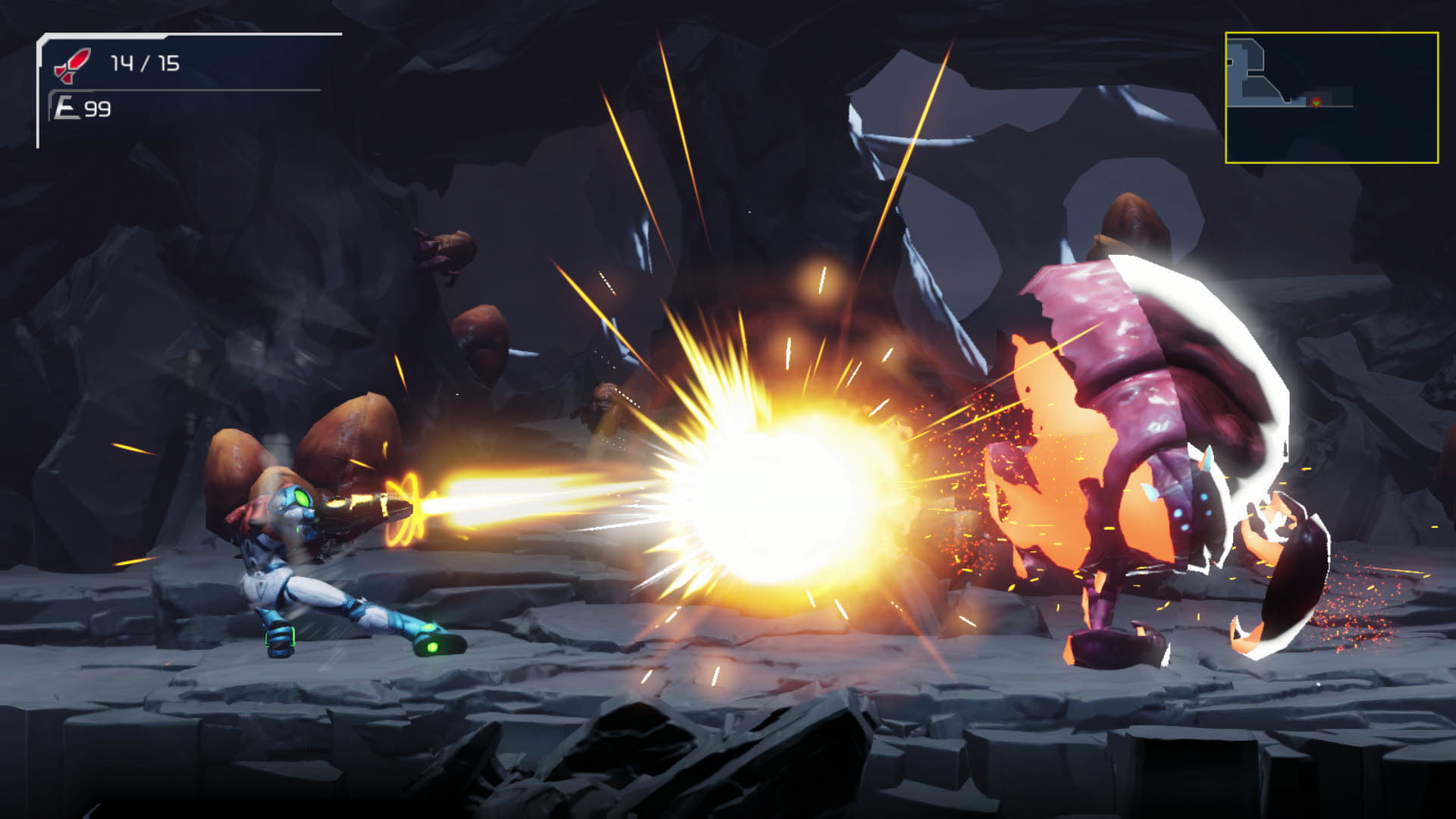
The Scrimmage Counter was a divisive introduction in 2017, bringing melee combat into encounters that had historically been fought at range. The system feels as likewise stretched in Metroid Dread arsenic it did in Samus Returns. Melee Forestall removes often of the impulse from exploration and arse slow combat to a crawl. The system feels inapt and, inside of boss rooms, its inconsistency is laid bare, where the rules on what can and can not be parried approach nonsensical.
Eventually, you'll long to see the bittie glint of yellow nonclassical up above an enemy's shoulder, indicating an incoming attack can be parried. Typically, that's the one and only signal that you've pumped enough missiles into a foe to trigger a cinematic cut-scene and push into the next phase of combat.
Boss battles smoothen a insignificant along Metroid Dread's biggest problems. There's an overcomplication of Metroid's well-honed systems of progression, traversal, and combat here. Truth be told, the GBA and SNES offered a finer degree of control with far fewer accessible inputs and were all the more enjoyable because of it. Whether you're trying to trigger a parry against a way-wolf-sized boss, running for your life from a robotic E.M.M.I. that wields a one-bang kill mechanic, or other than struggling with the controls to let loose defensive Screw Attacks and Missile salvos, it's thorny not to wonder why the Direful's action leanings ended up this way.
Embracing isolation
Head in, there was a question of how Metroid Dread would represent positioned. Would Nintendo reconcile with the fact that the panach Super Metroid pioneered has in the end been later by the games it glorious – the likes of Axiom Verge and Ori and the Dazzled Forest. Surgery would IT pick prepared where Metroid Nuclear fusion reaction left-handed off in 2002, furthering a commitment to (frustratingly) radio-controlled-play in a hostile strange world. The truth is, Metroid Apprehensiveness does neither. What you have here is an experience that works to flux the structured storytelling of Merger, the pervading sense of solitary isolation that helped to define Super, and the overly complicated combat mechanism of Samus Returns.
When Metroid Dread hits its tread, it's easy to appreciate what MercurySteam and Nintendo were shooting for here. Dread captures a sense of uncertainty through its world structure and sound figure that stern easily transport your attention for hours connected end. The series' ever-distinctive game flow well willing you further into a world that will frequently feel both insuperable and irresistible.
Adam returns from Fusion, but its mien is far little intrusive. Rather than dictating your every go by and action, the artificial intelligence is here to merely drop lines of lore (useful, given that Dread does a terrible job of outlining the fanlike strokes of an overarching story that backside't be played in its entirety on whatsoever single program), occasionally remind you of an target, and hammer base the idea that you'rhenium woefully underpowered to face the threats lurking in each of the eight core biomes. Old habits run, I underestimate.
The point of the Metroid games has always been to get lost. That's a agent that Metroid Awful keenly understands and delivers on. Once the story hits its stride, rental you free enough to hunt for upgrades to your arsenal and campaign for inches of progression across each of the various world spaces, you'll long for more of Metroid's solitary confinement.
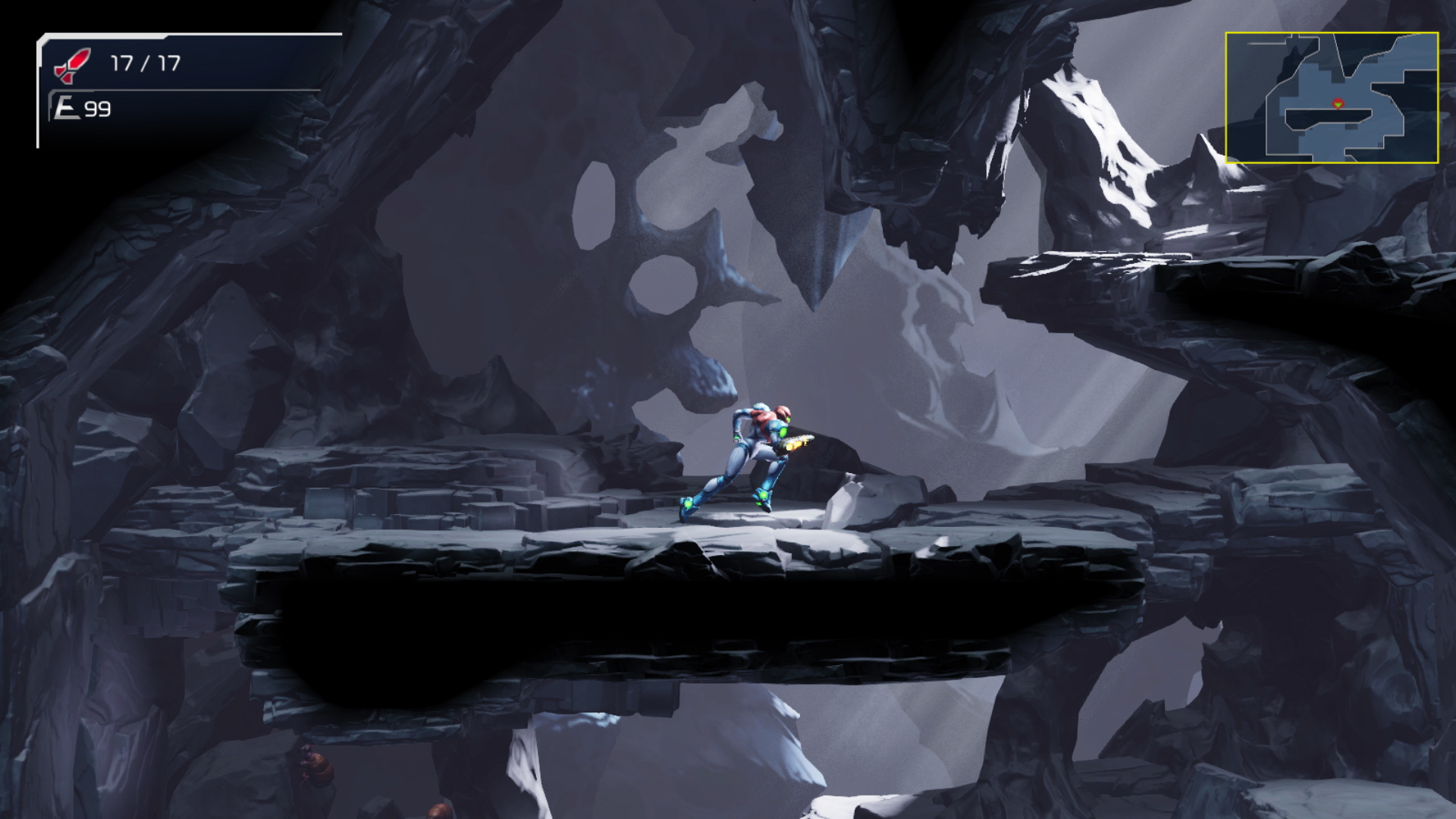
Combat is undemanding-leaving unsuccessful in the overworlds of planet ZDR, but your exploration wish be frequently interrupted away an opposition demanding to be parried, or sections that forcefulness slow, surreptitious traversal – spaces to follow navigated aside utilizing returning Aeion abilities such as Phantom Cloak and Loud Shift. Eventually, you'll touch view these elements and areas for what they are: disruptions. Distractions from exploration, unnecessary attempts to divert your attention away from the areas in which Metroid has its surest footing.
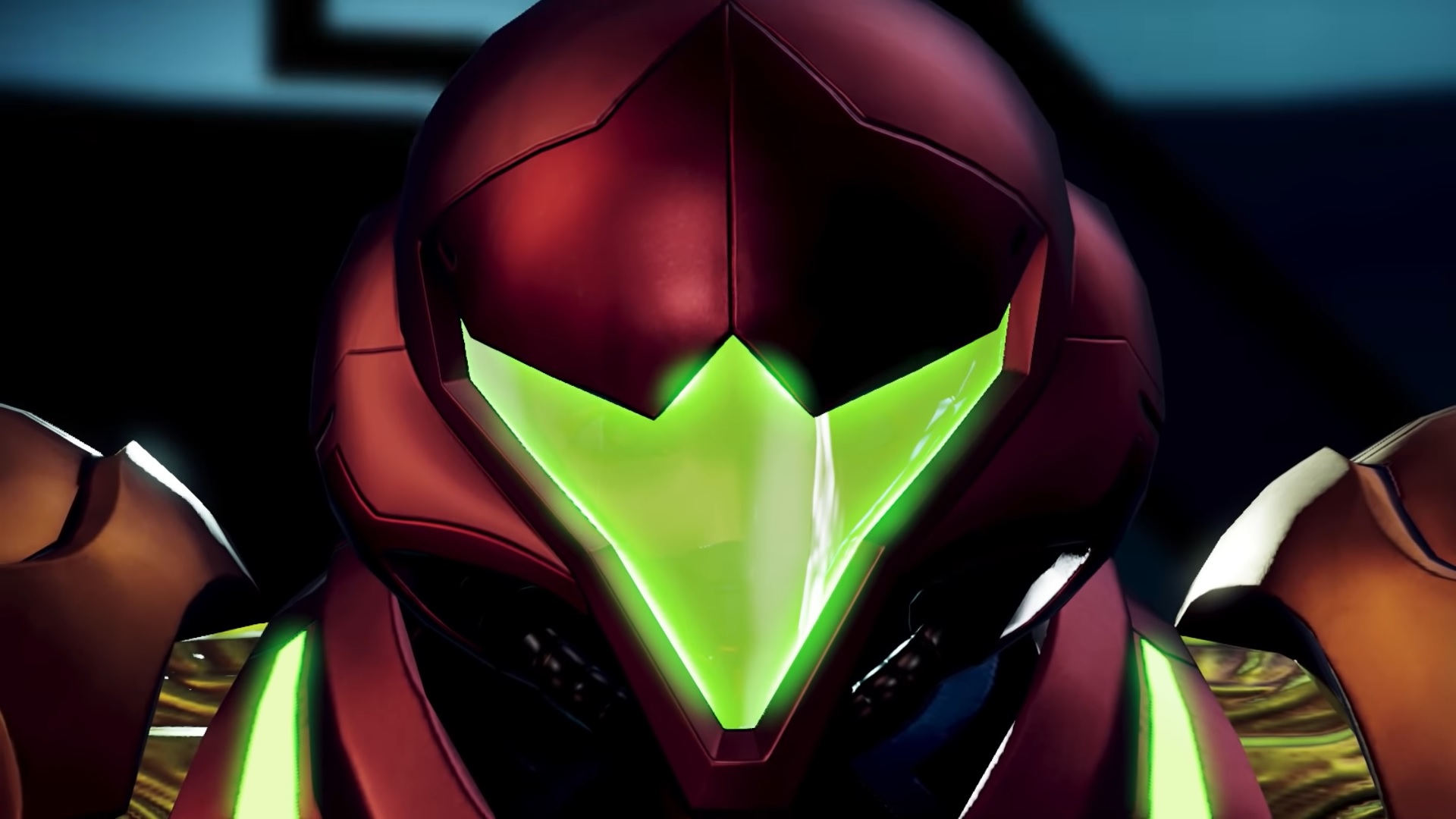
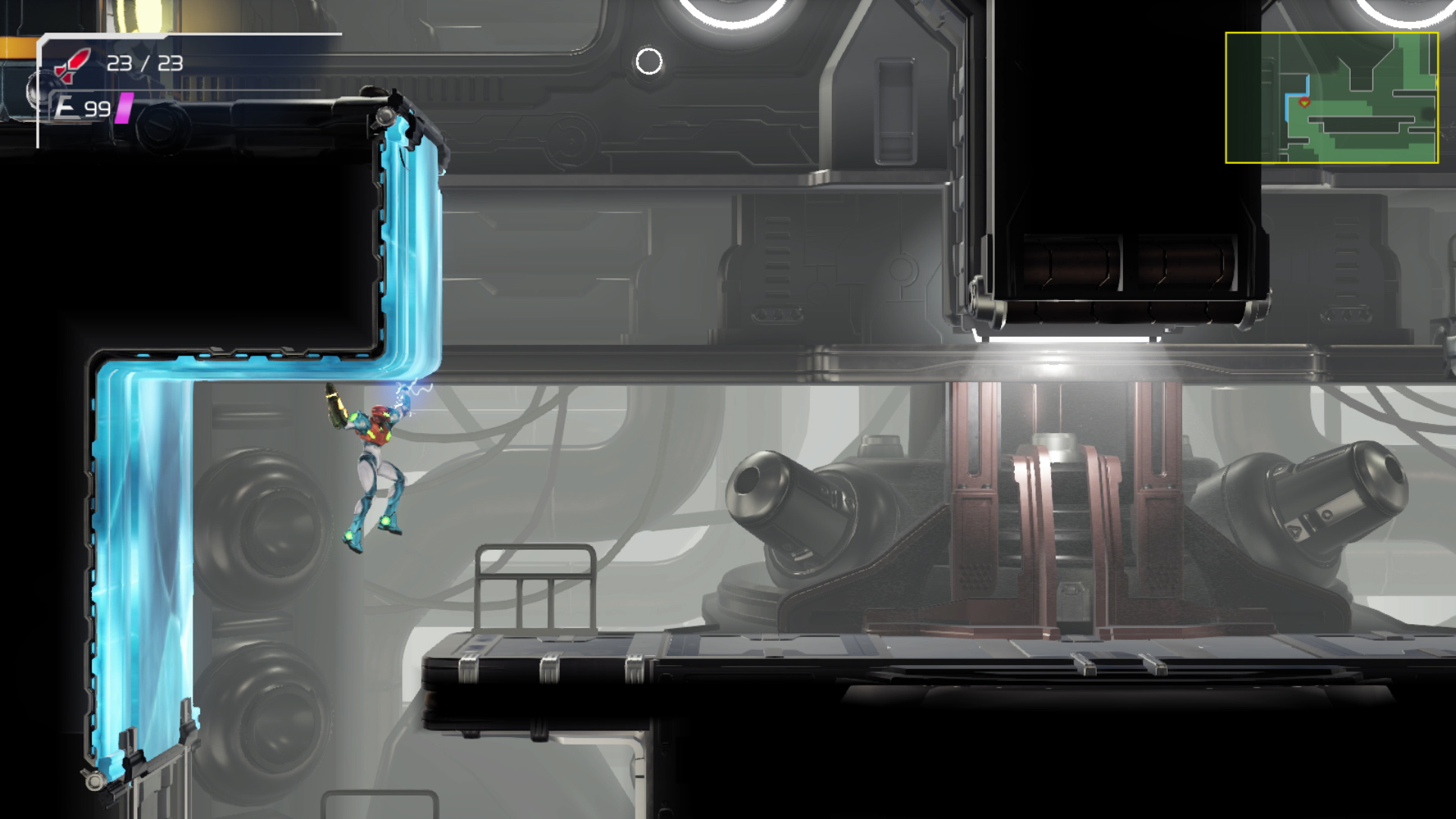
Information technology's worth mentioning that, American Samoa solid as that sense of isolation feels passim Direful, it can get on upper side of you in the opening hours. I don't think that's because of the way it communicates progression, but rather a reflection of the rather uninteresting art direction. The 2D Metroid games have always had much a distinct, otherworldly vibrancy to their visual design. So it's disappointing to see Metroid Dread land with such a unimaginative, objective visual theme; your fuel consumption rate whitethorn vary here, but I found information technology thought-provoking to pick out what should have been obvious routes forward in the environments as everything sort of hazy together, particularly ahead I was able to get my hands on items that really opened exploration up like the Morph Ball, Bombs, or Grapple Beam.
Metroid Dread's often idiosyncratic approach to combat and manipulate has a sweeping-reaching impact on what this 2D take a chance can in the end achieve. There's a great game belowground in here, only you'll pauperism to constantly push through around frustrating encounters and points of clash to encounte it. This isn't the return Metroid merited after Fusion, only after 19 years perhaps it's nary surprise that Samus Aran is a little off her game.
Metroid Dread was reviewed on Switch over OLED, code provided by publishing house.
Metroid Dread
Frustrating emboss battles and cumbersome controls disquiet from an otherwise amusive and isolating adventure
More information
| Available platforms | Nintendo Switch |
Less

Kid W is Features Editor of GamesRadar+. With over 10 years go through in both online and publish news media, Josh has cursive for a number of gaming, entertainment, music, and technical school publications, including 3D Creative person, Inch, gamesTM, iCreate, Metal Hammer, Play, Retro Gamer, and SFX. Atomic number 2 holds a BA (Hons) in Journalism and Feature Writing, has appeared on the BBC and ITV to provide expert comment, scrawled for Scholastic books, altered a book for Hachette, and worked atomic number 3 the Subordinate Producer of the Future Games Show. In his spare time, Banter plays basso guitar and video games. Years past, He was in movies and TV shows that you've definitely seen but will never cost able to spot him in.

Source: https://www.gamesradar.com/metroid-dread-review/
Posted by: borbapenig1955.blogspot.com
0 Response to "Metroid Dread review - borbapenig1955"
Post a Comment